




Cultivation • Genetics • Guides
From Nursery to Doorstep: The Modern Guide to Shipping Clones
Why modern cultivators are skipping the seed lottery, how to access elite genetics through the mail, and the unboxing ritual that ensures a massive harvest.
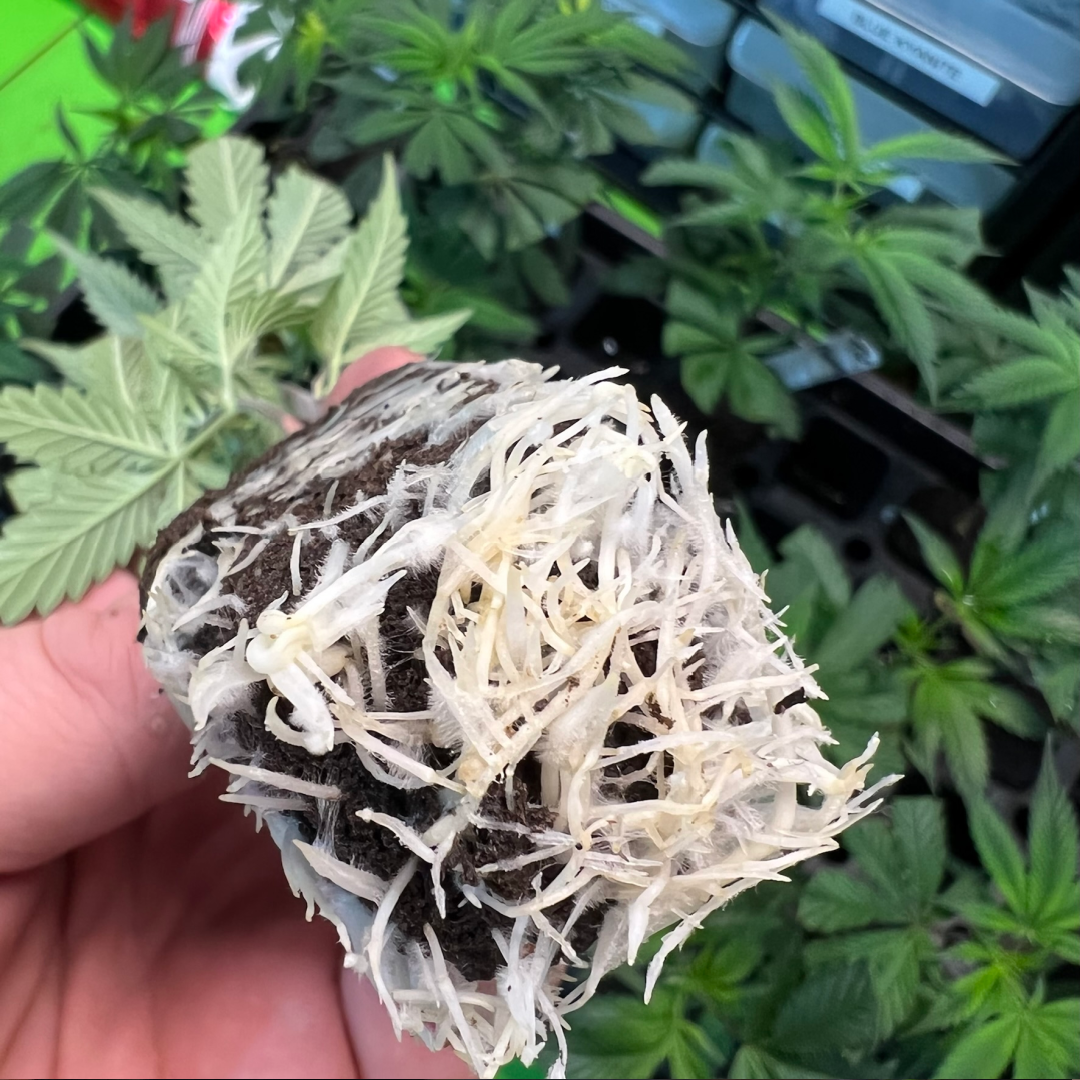
Image: The sign of a healthy delivery—bright white, vigorous roots.
TL;DR
- Shipping clones bypasses the "pheno-hunt" lottery of seeds, guaranteeing you get the exact genetic traits you want.
- It provides access to "breeder cuts" and elite strains that local dispensaries or nurseries rarely stock.
- Reputable shippers use specialized packaging (LEDs, sturdy shells, moisture locks) to keep plants healthy in transit.
- The "Unboxing Ritual" is critical: inspect immediately, harden off slowly, and don't blast them with light on day one.
- Legality varies by state, but compliant shipping includes discreet packaging and adherence to hemp/cannabis transport laws.
Accessing the Genetic Library
If you’ve been growing for a while, you know the frustration of the "seed lottery." You pop a pack of expensive seeds, wait weeks for them to sprout, weeks more to sex them, and months to flower them out—only to realize the phenotype isn't what you were looking for.
This is why the shift toward shipped clones is revolutionizing home growing. When you order a clone, you are skipping the gamble. You are getting a genetic copy of a proven winner.
The Local Limitation
Most growers are limited by geography. If your local dispensary only carries generic Blue Dream or basic OG Kush, that’s what you’re growing. By utilizing shipping services, you break down those geographical walls. You gain access to the "Breeder Cuts"—rare, pheno-hunted strains from elite nurseries in California, Colorado, or Oregon that simply don't exist in your local hydro store.
Whether you are chasing high-THC cultivars, specific terpene profiles like "garlic" or "gas," or difficult-to-find CBD ratios, shipping puts the world's best genetics in your mailbox.
The Science of Safe Transit
The most common question we hear is: "Won't they die in the box?"
Five years ago, that was a valid concern. Today, the logistics of shipping live plants have become a science. Reputable nurseries don't just throw a plant in a Ziploc bag. They use engineering to cheat death.
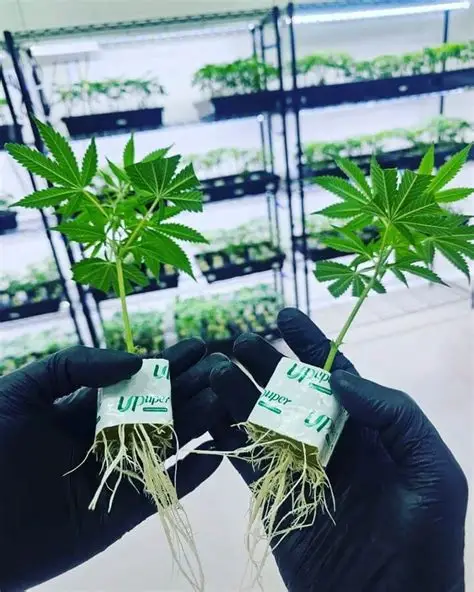
How they survive the journey:
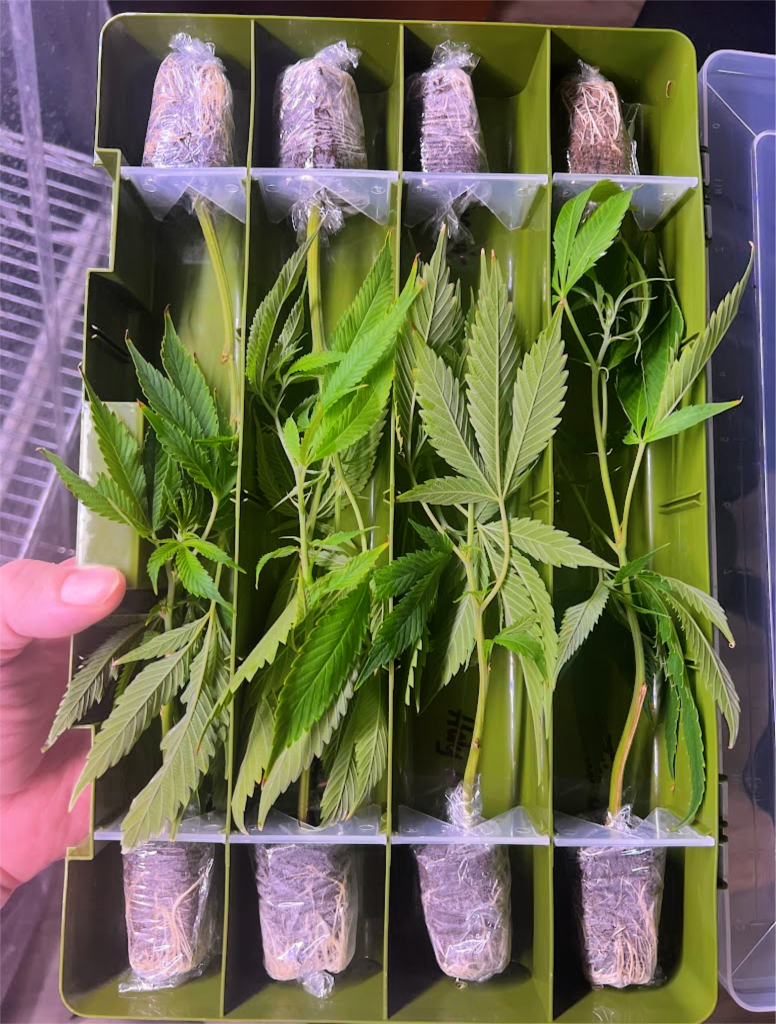
- Structural Integrity: Clones are typically shipped in rigid plastic "clamshells" that lock the root cube in place. The box can be thrown, flipped, or dropped, and the stem won't snap.
- Moisture Management: The root zone is wrapped to retain specific moisture levels, while the leaves are kept in a breathable environment to prevent mold or "damping off."
- Temperature Buffering: High-end shippers use insulated liners and, depending on the season, heat packs or cold packs to regulate the internal temperature of the package.
- The "Dark Cycle": Cannabis is a photoperiod plant. A few days in a dark box actually mimics a blackout period. As long as the shipment is expedited (2-3 days max), the plant simply pauses its metabolism and wakes up hungry when it arrives.
The Unboxing Ritual: What to do upon arrival
The moment that package hits your doorstep, the clock starts ticking. Your new girls have been traveling. They are thirsty, they are confused, and they need a gentle hand. Do not throw them directly under a 1000W HPS light.
Step 1: The Inspection
Open the box immediately. Check for structural damage (snapped stems) and pest issues. A reputable supplier will have a "clean guarantee," but you should always inspect for spider mites or aphids before introducing new plants to your grow room.
Step 2: Rehydration
The root cubes will likely be slightly dry. Do not drown them. Dip the bottom of the cube in pH-balanced water or a mild nutrient solution just enough to moisten the medium. If the leaves look wilted, a very light foliar mist can help them perk up.
Step 3: The Hardening Off Phase
This is where most rookies fail. The plant has been in the dark. It needs to acclimate.
- Day 1-2: Place them under weak fluorescent lights or LEDs dimmed to 30-40%. Keep humidity high (65-75%) using a dome if necessary.
- Day 3-4: Gradually increase light intensity.
- Day 5: Transplant into your final medium and introduce them to your main veg environment.
Compliance and Discretion
Navigating the legal landscape is part of the modern grower's responsibility. While the 2018 Farm Bill opened up interstate commerce for hemp (cannabis containing less than 0.3% THC on a dry weight basis), state laws vary wildly regarding cultivation.
Discreet Shipping
Top-tier suppliers understand privacy. They don't put giant cannabis leaves on the shipping label. Packages usually arrive in plain, unmarked boxes. Inside, you should find documentation—often lab results proving the clones are within the legal delta-9 THC limits for hemp transport, ensuring that if a package is inspected, it is compliant.
Note: Always familiarize yourself with your specific state and local laws regarding home cultivation before ordering.
Troubleshooting Your Arrival
Even with the best packaging, shipping is stressful for living things. Here is how to handle common issues:
Yellowing Leaves:
This is normal. The plant has been consuming its own stored nitrogen to survive the dark journey. Do not panic. Once you transplant and feed a mild vegetative nutrient solution, the new growth will be lush green.
Drooping / Wilting:
Usually a sign of dehydration or shock. A humidity dome is your best friend here. Raise the humidity around the plant to stop it from transpiring water it can't yet replace from its roots.
Broken Stems:
If a stem is snapped but not severed, you can often "splint" it with tape and a toothpick. Cannabis is incredibly resilient and will often heal the wound, creating a "knuckle" that is stronger than the original stem.
Frequently Asked Questions
Is it legal to ship cannabis clones?
It depends on the jurisdiction and the specific THC content of the plant at the time of shipping. Many clones are shipped under the Farm Bill protections as "hemp" because they contain less than 0.3% THC before they flower. Always check your local laws.
What happens if my clones arrive dead?
Reputable suppliers offer an "Arrive Alive" guarantee. You typically need to take photos within 2-4 hours of delivery and contact customer support for a replacement.
Can I put them directly into soil?
Yes, but be gentle. Ensure your soil isn't "hot" (too nutrient-rich) which can burn the tender young roots. A light starter mix is recommended for the first week.
How long can they survive in the box?
Clones can surprisingly survive up to 5-7 days in transit, though 2-3 days is optimal. Any longer than a week and the plant will suffer severe stress and potential starvation.
Do shipped clones have pests?
They shouldn't, but you should never trust blindly. Always quarantine new clones (keep them separate from your other plants) for at least a week to ensure you aren't introducing spider mites or thrips to your garden.